Digital technology now sits at the centre of how schools operate, from teaching and learning to administration, compliance and communication with families. But adopting technology doesn’t automatically mean a school is digitally mature.
Digital maturity describes how effectively an organisation integrates digital tools, data and processes to achieve its goals. It is not simply about having technology in place — it is about embedding it into everyday workflows and decision-making.
For schools, this means asking a deeper question:
Are our digital systems actually improving the way our school operates?
Research into K-12 digital transformation has consistently shown that while many schools recognise the importance of digital systems, relatively few consider themselves highly digitally mature.
A global survey of K-12 digital transformation found that over two-thirds of schools view digital integration as critical to the future of education, yet only about one-third report having high levels of digital maturity.
This gap exists because digital maturity requires more than implementing new tools. It requires aligning technology, people and processes.
In many schools, technology has been adopted gradually. New platforms added to solve specific problems without always considering how systems work together. The result can be fragmented processes, duplicated data and unnecessary administrative workload.
A digitally mature school is not defined by how many platforms it uses.
Instead, maturity comes from how well technology supports the core processes of running a school, such as:
When systems support these workflows effectively, staff spend less time on manual administration and more time supporting students.
.jpg)
Schools progressing towards digital maturity often share several common characteristics.
Digitally mature schools ensure their systems work together rather than operating in isolation. Information flows between platforms, reducing duplication and improving accuracy.
Administrative workflows — such as approvals, communication and record-keeping — follow consistent processes that staff can rely on. This helps ensure important steps are not missed.
Digitally mature schools maintain strong governance over the data they collect and store. This includes ensuring identity information is accurate, access is controlled appropriately and records are maintained securely.
Digital systems should simplify administration, not complicate it. When implemented well, technology reduces repetitive tasks and makes it easier for staff to manage workflows.
Many schools begin their digital journey by replacing paper forms with online versions, but digital maturity comes when schools move beyond forms and begin managing complete workflows digitally.
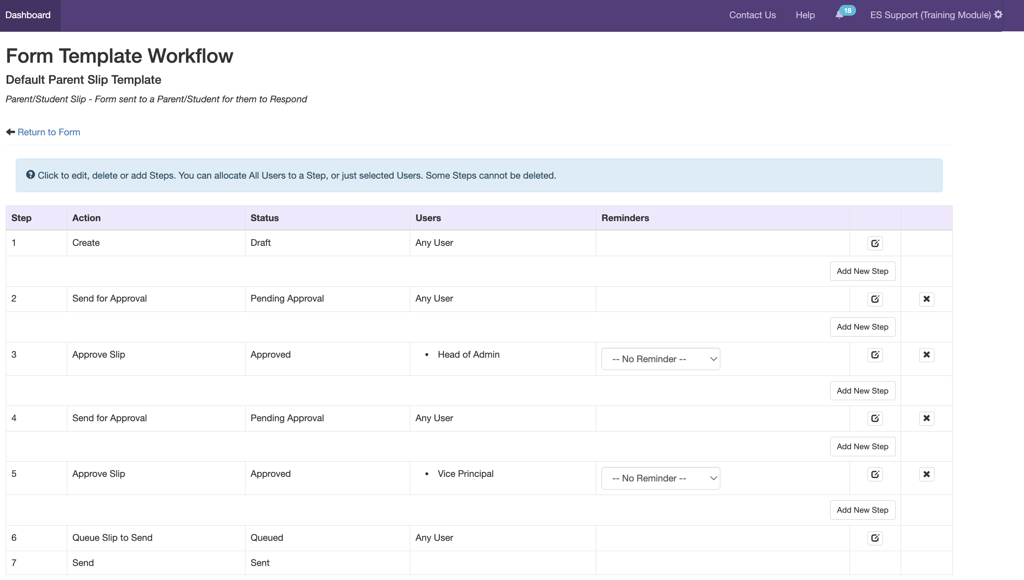
Workflow platforms help schools guide processes from start to finish — from initiating an activity, through approvals and communication, to secure record-keeping. Platforms like EdSmart help schools digitise these administrative workflows, ensuring processes are followed consistently while reducing administrative burden for staff.
Digital maturity is not a one-time achievement. As technology evolves, including developments such as artificial intelligence and new digital learning tools, schools will continue to adapt their systems and processes. Across education systems, governments and organisations are also developing frameworks to help institutions assess and improve their digital maturity over time.
For schools, the goal is not simply to adopt more technology. It is to ensure technology supports reliable processes, protects sensitive data and enables staff to work more effectively.
Because when digital systems truly support school operations, the benefits extend well beyond technology, improving efficiency, compliance and the overall experience for staff, students and families.
EdSmart enhances your core systems
Get Started

.jpg)
.jpg)

.png)

.png)